

Doctor of Psychology
Ranked #2 among PsyD and PhD programs nationally by College Transitions, the Rutgers GSAPP Clinical PsyD Program combines rigorous academic preparation with extensive clinical training. Students develop expertise in assessment and intervention through an integrative curriculum incorporating cognitive-behavioral, psychodynamic, and systems approaches.
Grounded in the practitioner-scholar model, the program prepares students to think critically, apply psychological science to real-world challenges, and deliver culturally responsive, evidence-based care. Graduates emerge ready to address the varied mental health needs of individuals, families, and communities while making meaningful contributions to the profession and society-at-large.

Resources for Success
Access essential academic resources and program materials to help you stay on track.
Clinical Training
GSAPP Clinical PsyD students build clinical competence through rigorous coursework, supervised practicum experiences, and opportunities to learn alongside faculty and community-based psychologists. Students apply evidence-based approaches in real-world settings while developing skills in psychological assessment, intervention, consultation, and ethical professional practice.
Training is grounded in cognitive-behavioral, psychodynamic, and systems perspectives, equipping students to work effectively with individuals, families, and communities across a range of settings. Students also have opportunities to explore specialized areas, including:
- Clinical Child, Adolescent, Family, and Pediatric Psychology
- Community Psychology
- Global Mental Health
- Health Psychology
- Multicultural Psychology
- Serious Mental Illness
- Suicide Assessment and Prevention
- Supervision
Research and Impact
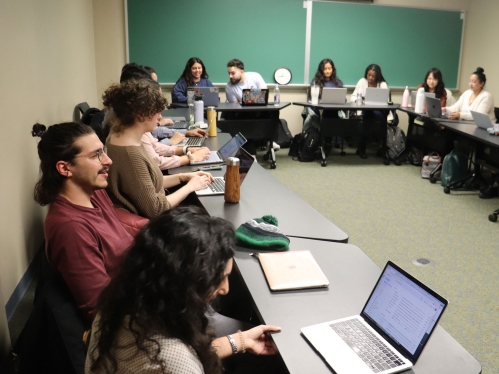
Faculty engage in applied, community-based research that advances evidence-based assessment, prevention, and treatment. Research opportunities are available for students interested in working alongside faculty on projects aimed at improving care for children, adults, and families.
Through these experiences, students can strengthen their skills in assessment, intervention, research, and program evaluation while contributing to meaningful work that addresses real-world clinical and community needs.
Student - Faculty Connection
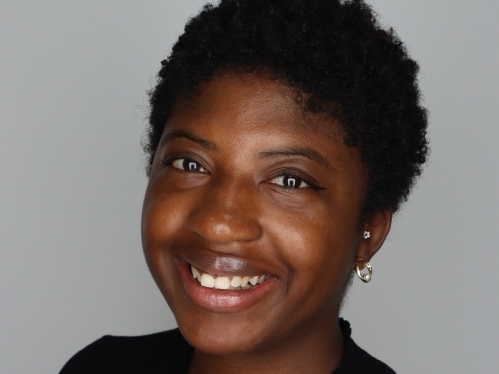
“My cohort is super unique. We all come from such different places and backgrounds, and I’ve learned so much just from talking to everyone about how they got here, because none of us had a singular path. My mentors have kept it very real with me. They have been super receptive, and it’s clear that they really want me to do well, while being understanding of what’s going on outside of school.”
- Kierra Pean, Clinical Psychology PsyD, Class of 2026
Ready to Apply?
(For additional information, please visit our FAQs.)
Take the next step toward your Clinical PsyD
GSAPP's Clinical PsyD program is APA-accredited
Questions related to the program's accreditation status should be directed to the Commission on Accreditation:
Office of Program Consultation and Accreditation
American Psychological Association
750 First Street, NE
Washington, DC 20002-4242
Phone: 202-336-5979
Email: apaaccred@apa.org
Web: www.apa.org/ed/accreditation
Summary of CUDCP Policy for Graduate School Offers and Acceptances - Information for Applicants